Bridging the Prototype-to-Production Gap in Hardware Manufacturing
The transition from a working engineering prototype to a commercially viable mass-produced product is one of the most perilous phases for hardware ventures. In the laboratory or maker space, engineers focus primarily on functionality. They work to prove that a physical device can solve a specific technical problem under controlled conditions.
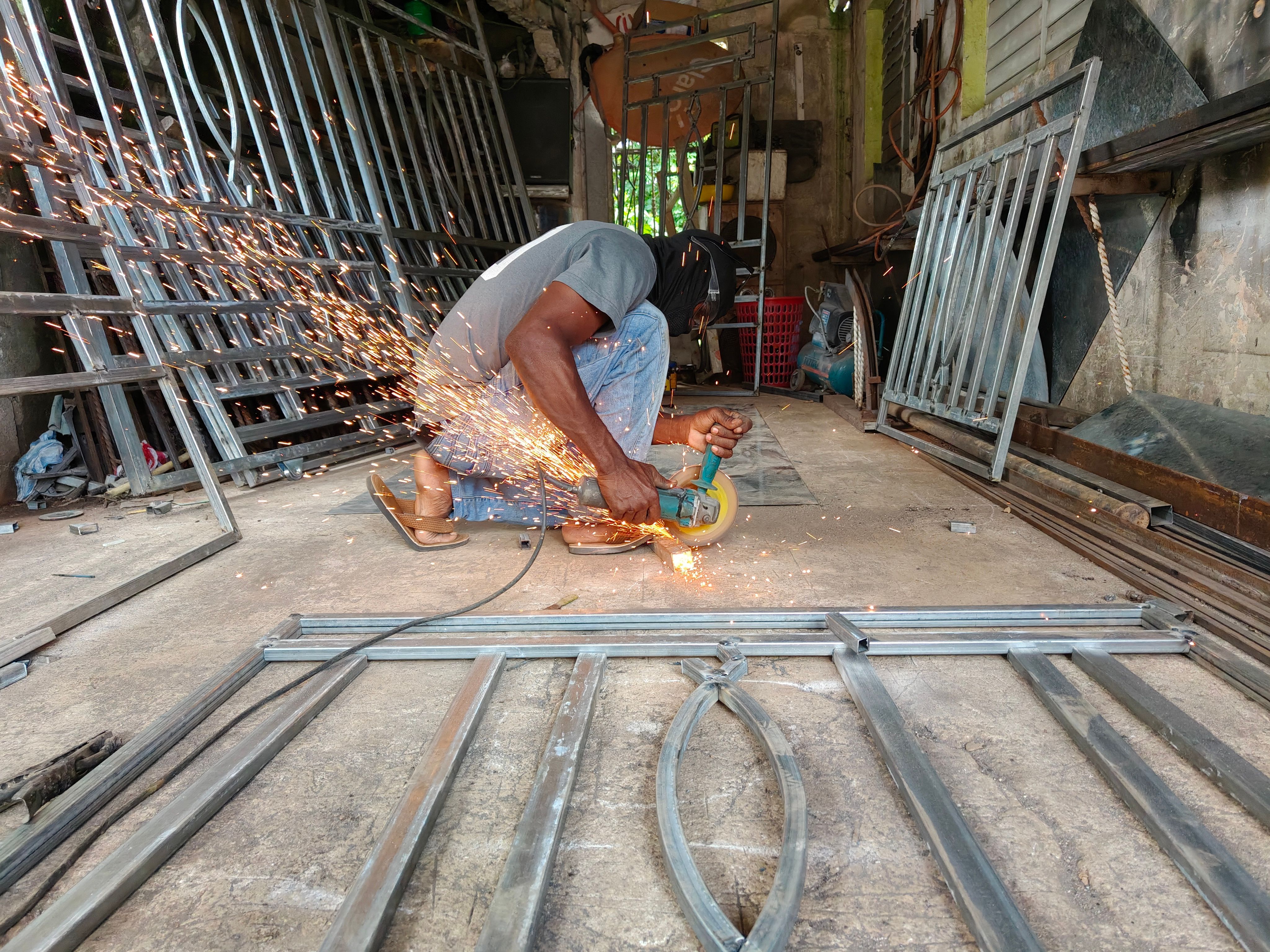
However, a successful proof-of-concept (PoC) does not mean the product can be manufactured reliably, at a stable unit cost, and in an industrial factory environment. Bridging this prototype-to-production gap requires an explicit shift in focus from technical capability to operational scale-up strategy. In East Africa's emerging industrial sectors, hardware innovators frequently encounter unique systemic challenges. These include fragmented supply chains, fluctuating material availabilities, and a shortage of specialized local fabrication facilities. To overcome these hurdles, technical leaders must integrate manufacturing discipline directly into their early research and development cycles.
Embracing Design for Manufacturing (DFM)
The cornerstone of SaMD governance is the precise definition of the software's Intended Use. Regulators assess software based on the gravity of the clinical decision it influences and the critical nature of the healthcare situation. For instance, an algorithm designed to sort diagnostic images for suspected strokes carries a vastly different risk profile than an application tracking lifestyle metrics. By mapping your software against international risk tiers, engineering teams can determine the exact level of documentation and clinical evidence required. This proactive classification prevents the common pitfall of over-engineering low-risk software or under-documenting high-risk medical algorithms.
The most effective way to compress the scale-up timeline is to deploy Design for Manufacturing (DFM) principles early in the development lifecycle. DFM involves analyzing the product design from the perspective of the assembly line worker, the machinery, and the logistics network.
This requires one to consider such critical aspects as:
- Component Standardization: Custom-engineered parts increase tooling costs and lead times. Engineers should maximize the use of globally accessible, commercial off-the-shelf components.
- Tolerance Analysis: A prototype built by hand can be tweaked to fit perfectly. Mass production requires component dimensions to allow for natural machining variations while still assembling seamlessly.
- Assembly Line Simplification: Reduce the total part count and minimize complex fasting methods. Designing components that self-align or snap together lowers manual assembly time and reduces human error on the factory floor.
Developing Robust Supply Chain and Supplier Relations
Scaling production requires shifting from spot-purchasing components to building a resilient vendor ecosystem. Technical ventures must qualify their manufacturing partners using clear, data-driven criteria. It is vital to assess a factory's true output capacity, quality control protocols, and raw material sourcing channels before placing large-scale production orders. Establishing structured Supplier Quality Agreements protects your venture from component defects and delivery delays. Furthermore, maintaining secondary sourcing options for critical components buffers your manufacturing line against international logistics disruptions and macroeconomic shifts.
Establishing the Pilot Production Run
Before launching full-scale industrial manufacturing, technical ventures must execute pilot production runs. The primary objective of a pilot run should not be to generate inventory, but to pressure-test the manufacturing process itself. During this phase, engineers design specialized assembly jigs, calibrate testing equipment, and train factory operators. Data collected during the pilot run helps identify unexpected assembly bottlenecks, determine accurate cycle times, and establish clear baseline rejection rates. This iterative optimization ensures that when full manufacturing begins, the factory can deliver consistent quality at the targeted unit cost.
Scaling with Strategic Clarity
Moving from prototype to production is fundamentally an exercise in operational governance. It demands cross-functional alignment between engineering design, procurement logistics, and factory operations. Adopting a structured manufacturing scale-up strategy helps technology-driven organisations to mitigate technical risk, optimize their capital expenditure, and transform raw engineering innovations into scalable commercial products.
Geoffrey Ndege
Geoffrey Ndege is an interdisciplinary engineering leader and innovation strategist with expertise spanning applied chemistry, manufacturing technology, and healthcare engineering innovation. He combines technical depth with management discipline to ensure innovation translates into measurable performance.