Engineering-Led Strategy: Why Technical Organisations Need a Different Consulting Model
Traditional management consulting frameworks have long dominated the corporate landscape. These methodologies, originally developed for financial institutions and conventional consumer goods industries, treat businesses primarily through the lens of macroeconomic structures, financial statements, and organizational charts.
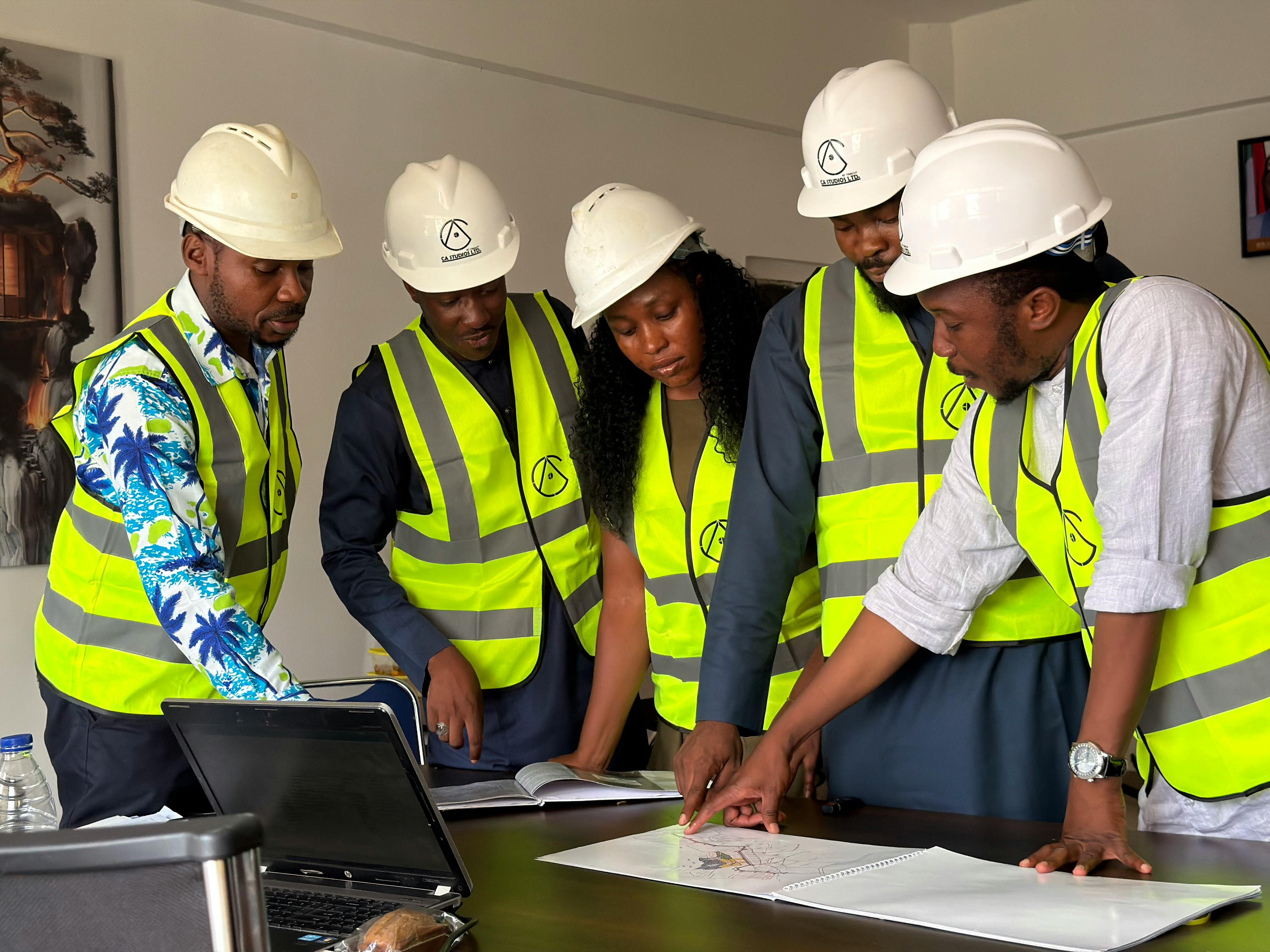
While these models are highly effective for asset allocation and structural re-engineering, they frequently fall short when applied to technology-driven and engineering-intensive organizations. Companies navigating deep tech, complex manufacturing, and biomedical innovation require a specialized consulting model: an engineering-led strategy. The limitation of traditional consulting lies in its treatment of engineering and scientific processes as static black boxes. Generalist consultants often assume that if the financial metrics and high-level strategies are well-defined, the underlying technical execution will adapt automatically. However, in technical environments, a single material constraint, regulatory validation bottleneck, or software dependency can completely disrupt a corporate strategy. An Engineering-led strategy addresses this vulnerability by seamlessly blending technical precision with executive management consulting.
Grounding Business Goals in Technical Reality
An engineering-led strategy begins with the understanding that industrial performance is bound by physical and system constraints. Whether optimizing a chemical processing facility or launching a diagnostics platform, business milestones must be mathematically aligned with engineering capacities. This model audits the actual capabilities of your research laboratories, engineering workflows, and manufacturing plants. By analyzing pipeline velocities and technical cycle times, leadership can set market expansion goals that are grounded in operational truth. This eliminates the disconnect where sales targets outpace a factory's mechanical limits or software launch dates conflict with safety verification timelines.
Linking Technical Unit Economics to Financial Performance
In a traditional business model, unit economics are calculated using high-level procurement costs and overhead allocations. An engineering-led strategy takes a deeper approach by connecting financial metrics directly to the physical parameters of production.
These include:
- Yield Optimization: Identifying how adjustments in raw material grades or machine calibration impact the ratio of shippable products to factory waste.
- Cycle Time Reduction: Mapping the physical flow of materials and data to uncover hidden micro-bottlenecks that inflate production costs.
- Asset Utilization: Using empirical equipment data to distinguish between planned downtime, mechanical inefficiency, and operational latency.
This granular visibility allows technical leaders to make capital expenditure decisions based on objective operational diagnostics rather than speculative projections.
Streamlining Cross-Functional Technical Governance
Technical organizations often suffer from operational silos. The research and development department speaks a vastly different language than the corporate finance team, while the regulatory compliance group operates independently of the production line. This fragmentation slows down product development and drains capital. An engineering-led consulting model serves as a vital bridge between these distinct corporate cultures. By translating complex scientific data into clear financial impact and executive goals into measurable technical constraints, it fosters deep operational alignment. This integrated governance structure allows technology-driven firms to commercialise complex innovations faster, navigate regulatory compliance smoothly, and scale their businesses with absolute strategic clarity.
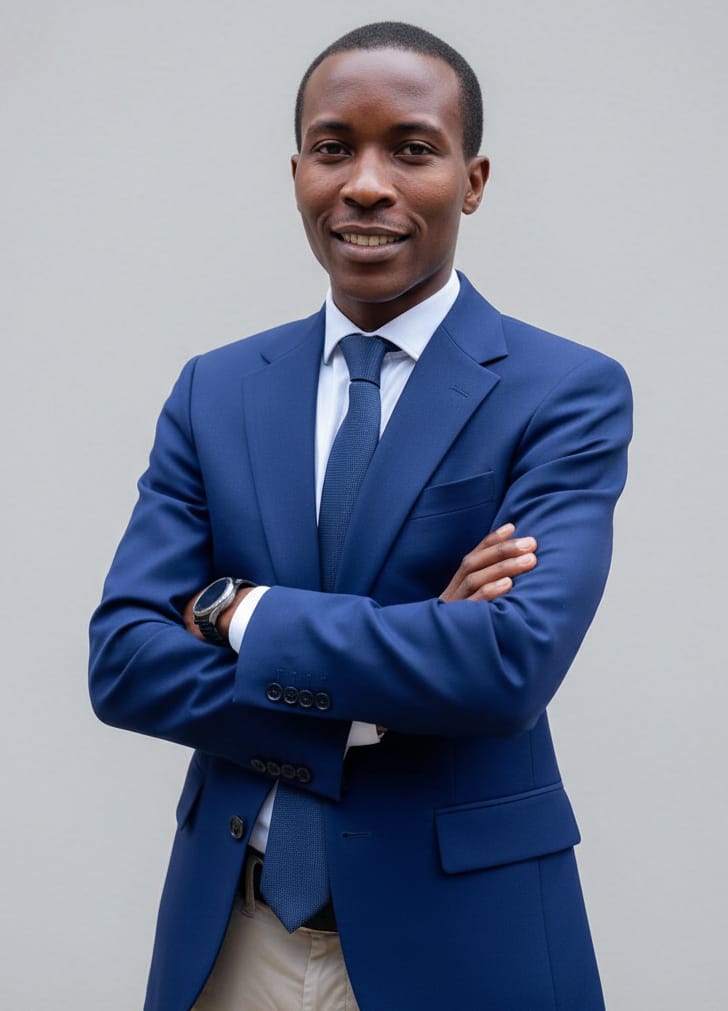
Geoffrey Ndege
Geoffrey Ndege is an interdisciplinary engineering leader and innovation strategist with expertise spanning applied chemistry, manufacturing technology, and healthcare engineering innovation. He combines technical depth with management discipline to ensure innovation translates into measurable performance.